Dental cleaning is an essential part of maintaining your oral health, but for many people, it’s also an uncomfortable experience. If you’ve ever sat in the dentist’s chair and winced while the dental hygienist cleans your teeth, you’re not alone. Many individuals wonder why dental cleanings hurt and what can be done to reduce discomfort. In this post, we’ll address this common concern by answering all the related questions you might have about the pain associated with dental cleanings, offering a complete guide to help you understand why it happens and how you can make the process smoother.
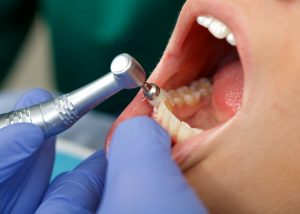
Why Does Dental Cleaning Hurt So Much?
The pain during dental cleaning generally comes from the buildup of plaque and tartar on your teeth. When plaque, the sticky film of bacteria, hardens into tartar (calculus), it can only be removed by a professional dentist or hygienist. If you haven’t had a cleaning in a while, the buildup can be significant, which means the hygienist may have to work harder to scrape it off.
Tartar creates a rough surface on your teeth and can irritate your gums. When the dental tools scrape against these areas, it can lead to discomfort, especially if your gums are inflamed or sensitive. Additionally, people with gum disease (gingivitis or periodontitis) might experience more pain during a cleaning because their gums are already swollen and prone to bleeding.
Is Teeth Cleaning from the Dentist Good or Bad?
Teeth cleaning at the dentist is undoubtedly good for your oral health, despite the temporary discomfort. It is an essential part of preventing gum disease, cavities, and tooth decay. Professional cleanings help remove tartar that cannot be addressed with regular brushing and flossing. If tartar is left unchecked, it can lead to serious issues like tooth infections and gum disease.
Regular dental cleanings not only improve the health of your gums and teeth, but they also help to brighten your smile by removing stains that accumulate over time. While it may be uncomfortable, it’s a necessary procedure for maintaining long-term dental health.
What Are the Disadvantages of Teeth Cleaning?
While dental cleanings are generally beneficial, they do come with a few potential disadvantages. The primary downside is discomfort or pain during and after the procedure, particularly if you haven’t had a cleaning in a while or if you have sensitive gums.
In some cases, if the dental hygienist has to work particularly hard to remove hardened tartar, it can lead to gum irritation or bleeding. This is especially true for those with gum disease. Furthermore, some people may experience slight tooth sensitivity for a few days after their cleaning, especially if the procedure was intensive.
However, the benefits of routine cleanings far outweigh these minor inconveniences. Keeping your teeth and gums healthy through professional cleanings reduces the risk of major oral health problems down the line.
Why Did My Dental Cleaning Only Take 15 Minutes?
A dental cleaning that only takes about 15 minutes is likely a sign that your teeth and gums are in good condition. If there isn’t much plaque or tartar buildup, the hygienist can clean your teeth quickly and efficiently. Routine cleanings for people who maintain good oral hygiene may not require much time.
It’s also possible that your cleaning was more focused on polishing and scaling, rather than a deep cleaning. A shorter cleaning session isn’t necessarily a bad thing, as it means that your oral hygiene routine is working well and you’re preventing buildup from forming.
However, if you feel that your cleaning was rushed or incomplete, it’s important to communicate with your dentist. Sometimes, a rushed cleaning can miss areas that may need more attention.
Can Teeth Cleaning Be Done at Home?
While brushing and flossing at home are essential for keeping your teeth clean and preventing plaque buildup, they are not enough to remove tartar. Only a dental professional has the tools and training necessary to effectively remove hardened plaque that has turned into tartar.
There are some home remedies, such as using baking soda or certain electric toothbrushes, that can help reduce plaque buildup and maintain good oral hygiene between professional cleanings. However, these methods cannot replace the thorough cleaning provided by a dentist or hygienist.
If you want to take extra care of your teeth at home, try to brush at least twice a day with fluoride toothpaste and floss regularly. You can also consider using mouthwash to help fight bacteria and keep your mouth feeling fresh.
Is Teeth Cleaning Painful?
The pain associated with teeth cleaning varies depending on the individual and the condition of their teeth and gums. For people with healthy teeth and gums, the process may cause minimal discomfort, primarily from the vibration of the dental tools or from the pressure applied to clean hard-to-reach areas. However, for those with gum disease or significant tartar buildup, the cleaning may be more painful.
Pain can also arise if your gums are inflamed or bleeding, which is common in individuals who haven’t had a professional cleaning in some time. However, this pain is generally temporary, and the discomfort usually subsides shortly after the cleaning. In cases of severe pain, your dentist may offer numbing agents or suggest a different cleaning approach to minimize discomfort.
How Often Should I Get My Teeth Cleaned?
The general recommendation for routine teeth cleaning is every six months. This schedule allows your dentist to keep an eye on your oral health, catch any early signs of gum disease or cavities, and maintain a clean and healthy mouth.
For some people, such as those with gum disease or those who are prone to heavy plaque buildup, more frequent cleanings (e.g., every 3 to 4 months) may be necessary. Your dentist will advise you on the best cleaning schedule for your individual needs.
Can Teeth Cleaning Be Done Too Often?
While regular teeth cleanings are crucial for maintaining oral health, overdoing it may lead to some problems. Excessive cleaning, especially if done too frequently or aggressively, could irritate your gums or lead to enamel wear.
That being said, a routine cleaning schedule recommended by your dentist (usually every six months) is ideal for keeping your teeth and gums in optimal health. Over-cleaning is rare and generally only a concern if you’re using abrasive tools or techniques at home.
Conclusion
Dental cleanings may not always be the most pleasant experience, but they are crucial for your overall oral health. Understanding the reasons behind the pain, knowing what to expect, and how often you need professional cleaning can help ease your concerns. Regular cleanings are an investment in your long-term dental health, so even if they may cause discomfort, the benefits far outweigh any temporary pain. By maintaining good at-home oral care and following your dentist’s recommendations for professional cleanings, you’ll be on your way to a healthier, happier smile.
If you experience severe pain during a cleaning or have concerns, don’t hesitate to speak with your dentist. They can offer suggestions, provide numbing options, or adjust the cleaning process to make the experience as comfortable as possible.
Hi, this is a comment.
To get started with moderating, editing, and deleting comments, please visit the Comments screen in the dashboard.
Commenter avatars come from Gravatar.